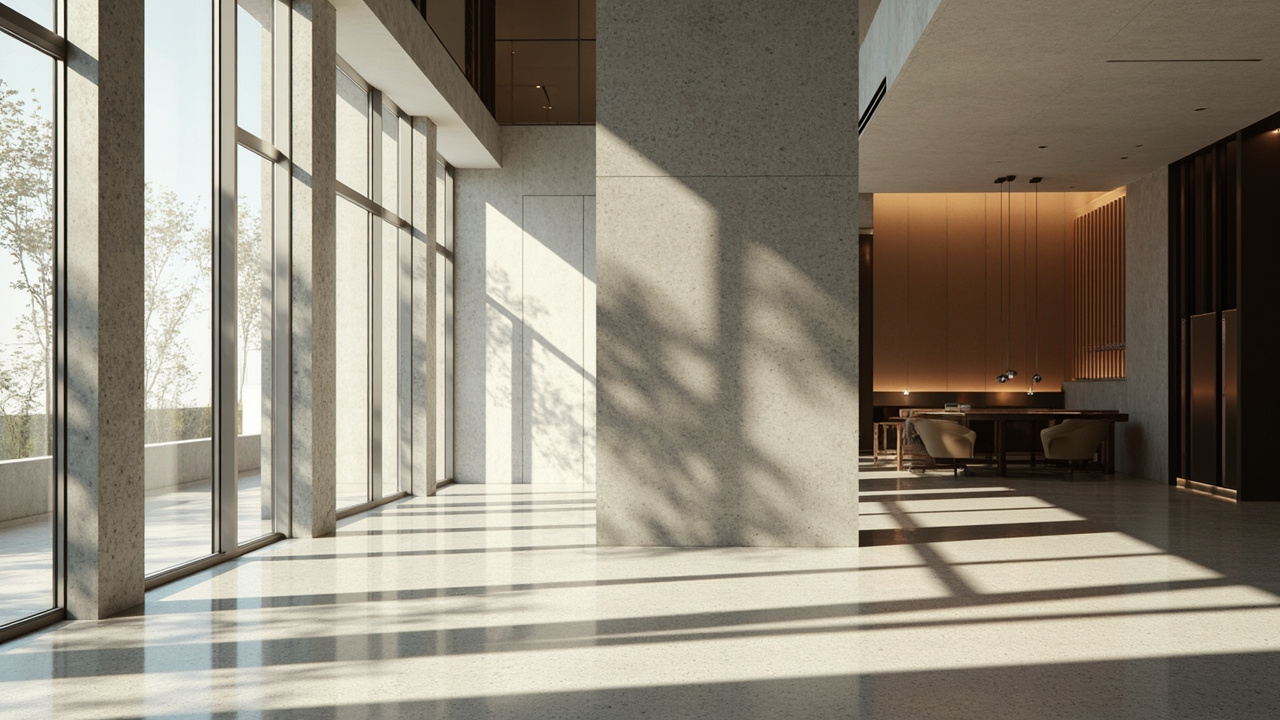
Navigating Vancouver building permits can feel overwhelming, even for experienced business owners, homeowners, and contractors. Between zoning rules, city bylaws, engineering requirements, and inspection stages, it’s easy to get stuck or face unexpected delays. At Ark & Mason, we guide clients through this process every day, helping them avoid costly setbacks and secure approvals on time. This beginner-friendly guide explains how Vancouver building permits work, what you need to prepare, and how to move through the system efficiently, whether you’re renovating a restaurant, updating a retail shop, opening a clinic, or refreshing your home.
Highlights
- Clear overview of Vancouver building permits including when they’re required, how the process works, and what documentation you need before applying.
- Real timelines and common delays so homeowners and business owners know what to expect, and how to avoid costly setbacks.
- Expert guidance from Ark & Mason with zoning checks, permit-ready drawings, and full coordination to ensure smooth approvals for residential and commercial projects across Vancouver.
What Are Vancouver Building Permits?
A Vancouver building permit is an official authorization issued by the City of Vancouver that confirms your proposed construction work complies with local building codes, safety standards, zoning bylaws, and provincial regulations. It acts as the city’s formal approval that your renovation, addition, or commercial fit-out has been reviewed, documented, and deemed safe for both occupants and the surrounding community.
Put simply, you must secure a building permit before beginning any work that affects the structure, layout, life-safety systems, plumbing, ventilation, or occupancy of a space. Starting work without one can lead to stop-work orders, fines, denied inspections, or difficulty obtaining insurance coverage later.
Most Vancouver projects require a permit, including:
- Interior renovations that modify walls, ceilings, or life-safety systems
- Commercial tenant improvements and change-of-use projects
- Structural changes such as removing or altering load-bearing walls
- Plumbing upgrades or fixture relocations
- New partitions, reconfigured layouts, or added rooms
- Converting a space from one use to another (e.g., retail to café)
- Additions, extensions, or envelope modifications
- Mechanical, HVAC, and ventilation changes that impact air quality or performance
A building permit ensures your project is:
- Safe: compliant with structural, mechanical, fire, and accessibility standards
- Legal: meeting municipal bylaws and zoning regulations
- Insurable: avoiding issues with future claims or property sales
- Inspectable: allowing city inspectors to verify work at key milestones
- Resilient: reducing the risk of costly rework, failures, or compliance problems
For homeowners, it protects long-term property value. For business owners, it ensures your space passes health, fire, and occupancy inspections smoothly, a critical step before opening to the public.
See more: Commercial Interior Designers in Vancouver BC: A Complete Guide to Choosing the Right Partner
When Do You Need a Building Permit in Vancouver?
In Vancouver, a building permit is required for any project that alters the structure, function, safety, or mechanical systems of a building. If your renovation affects how the space performs, how people occupy it, or how systems like plumbing, ventilation, and fire protection operate, the City of Vancouver will almost always require formal approval before work begins.

Below is a clearer breakdown of when a permit is needed across residential and commercial projects.
Residential Projects That Require a Building Permit
Home renovations often seem simple, but many involve hidden structural or mechanical implications. You will need a permit if you plan to:
- Move, remove, or add interior walls: Any change that affects load-bearing walls, room sizes, or circulation paths requires drawings and structural review.
- Add new bedrooms, bathrooms, or a secondary suite: These involve plumbing, ventilation, fire separation, and accessibility considerations.
- Reconfigure a kitchen: Even if you are not touching structural walls, relocating plumbing, electrical, or gas triggers a permit.
- Change electrical or mechanical systems: Upgrades to ventilation, heating, or electrical capacity often impact safety and building code compliance.
- Add new windows, skylights, or enlarge openings: These modifications affect the building envelope and structural integrity.
- Build additions, large decks, or exterior extensions: Any added footprint or structural change must be reviewed for zoning, setbacks, and structural load.
In short, if your home project goes beyond paint, flooring, or replacing fixtures, you likely need a permit.
Commercial Projects That Require a Building Permit
Commercial renovations in Vancouver are more regulated because they affect public safety, occupancy, and operational compliance. A permit is required when you:
- Change the business use or occupancy type: For example, converting a retail store into a café triggers fire, health, plumbing, and ventilation requirements.
- Add wash stations for salons, clinics, or wellness studios: This involves plumbing capacity, drainage, and health regulations.
- Upgrade HVAC, fire protection, alarms, or sprinkler systems: These are critical life-safety components and require professional construction documentation.
- Renovate or redesign commercial kitchens: Ventilation, grease ducts, fire suppression, and plumbing all require formal review.
- Build or update accessible washrooms: Must meet BC Building Code and City accessibility standards.
- Reconfigure seating layouts or increase occupancy: Restaurant and café layouts affect fire egress, aisle widths, and fixture counts.
- Complete any tenant improvement requiring architectural drawings: Most professional renovations fall under this category.
Because commercial work is heavily tied to business licensing and compliance, skipping a permit can delay openings or cause a business to fail inspection.
General Rule of Thumb
If the work affects life-safety systems, structural integrity, mechanical or plumbing capacity, accessibility, or the functional layout of a space, assume a permit is required. In fact, the City of Vancouver reports that over 70% of renovation projects submitted each year require a building permit due to safety and code implications.
When in doubt, the safest approach is to verify requirements early, ideally before signing a lease or starting demolition. Ark & Mason frequently performs permit checks during early design development to prevent costly surprises later in the process.
Types of Vancouver Building Permits
Before starting any renovation in Vancouver, it’s important to understand that most projects require multiple permits, not just a building permit. Each permit ensures that specific parts of your construction meet safety, zoning, and technical standards set by the City of Vancouver. The type of renovation you’re planning, whether residential or commercial, determines which permits are required.

Below are the main permit types you may need:
- Building Permit: Required for structural, layout, occupancy, or architectural work.
- Plumbing Permit: For new plumbing lines, rerouting, or installing sinks, wash stations, and drainage.
- Electrical Permit: For wiring, panels, lighting, outlets, and power distribution (pulled by a licensed electrician).
- Development Permit: Needed for exterior changes, new construction, and some commercial uses.
- Occupancy Permit: Confirms a space is safe for public or staff use, required for many commercial renovations.
- Sign Permit: Required for new commercial signage.
- Trade Permits: HVAC, gas, sprinkler work, and mechanical ventilation all require licensed trade permits.
Vancouver Building Permit Requirements: What You Need First
Before the City of Vancouver will issue a building permit, you must submit a complete and coordinated package of documents. These materials help the city verify that your renovation is safe, code-compliant, and suitable for the building you’re working in. Missing or incomplete documents are one of the most common causes of permit delays, especially for restaurants, clinics, salons, and other code-heavy commercial spaces.

Below are the core requirements most applicants must prepare:
Architectural Drawings
The City requires a full set of scaled drawings that clearly illustrate what exists today and what you plan to build. These typically include:
- Existing and proposed floor plans
- Demolition plans showing walls to be removed
- Dimensions for all rooms and clearances
- Door and window sizes, swing directions, and accessibility features
- Life-safety components including exit paths and fire-rated assemblies
- Interior elevations, finish specifications, and millwork details (for commercial work)
These drawings must be prepared by a qualified designer, architect, or technologist familiar with Vancouver’s codes and permit standards.
Mechanical & Ventilation Plans
Mechanical drawings are required for any project that affects air movement, temperature control, or ventilation. They are especially critical for:
- Restaurants and commercial kitchens (hoods, makeup air, grease ducts)
- Cafés and bakeries (ventilation loads, exhaust)
- Salons and spas (humidity, chemical ventilation, odor control)
- Medical and dental clinics (air changes, fresh air intake, specialized exhaust)
- Gyms, physiotherapy clinics, and wellness studios (ventilation per occupant load)
These plans ensure your space meets Vancouver Mechanical Code requirements and avoids overheating, odor issues, or indoor air quality violations.
Plumbing Drawings
Any new plumbing fixture, even a single sink, requires proper drawings that show:
- Fixture locations
- New or rerouted plumbing lines
- Drainage and venting
- Hot water distribution
- Floor drains or backflow prevention (when necessary)
For salons, clinics, breweries, and restaurants, plumbing requirements are often more complex and must align with Vancouver Coastal Health inspections.
Electrical or Lighting Plans
Commercial projects often require a detailed electrical package including:
- Lighting layout and fixture specifications
- Power distribution and panel schedules
- Emergency lighting or exit signage
- Equipment loads for kitchen appliances, POS systems, or medical equipment
These plans must be coordinated with other disciplines to ensure there are no conflicts during construction.
Zoning Confirmation
Before any permit can be accepted, the city must confirm:
- Your business type is allowed at the chosen address
- Parking requirements are met
- The proposed use aligns with city bylaws
- No restrictions exist on noise, hours of operation, or floor area
This step prevents investing in drawings for a business that cannot legally operate at the selected location.
Engineering Reports (If Required)
Depending on the scope, the City may require reports stamped by professional engineers:
- Structural engineering (for wall removals, mezzanines, heavy equipment)
- Seismic assessments
- Geotechnical reports (for foundation work or additions)
- Electrical or mechanical engineering letters for complex systems
These documents verify that the project remains safe and stable under Vancouver’s building conditions.
Contractor & Trade Information
All contractors and subcontractors listed on your permit must be:
- Licensed
- Insured
- Registered with WorkSafeBC
Restaurants, medical clinics, and salons often require multiple licensed trades (mechanical, plumbing, electrical, sprinkler, gas).
The Vancouver Building Permit Process: Step-by-Step

Securing a Vancouver building permit can feel overwhelming, especially for first-time homeowners or business owners tackling commercial renovations. The process involves multiple departments, technical reviews, and strict documentation standards. At Ark & Mason, we streamline each stage so your project moves forward with clarity, avoiding costly redesigns and unnecessary delays. Below is a deeper look at how the full permit journey works.
1. Pre-Application Review
Before any drawings are produced, we conduct an upfront analysis to determine:
- Zoning allowances for your business type or residential use
- Bylaw constraints including parking, noise, setbacks, and allowed floor area
- Structural limitations of the existing building
- Plumbing, HVAC, and electrical capacity for new equipment or added rooms
- Permit pathways (Building Permit, Development Permit, Trade Permits, Occupancy Permit)
- Potential code conflicts such as fire separation, exiting, or accessibility issues
This first step is critical. Identifying risks early prevents expensive redesigns later and protects your timeline before construction begins.
2. Prepare Drawings & Documentation
Once feasibility is confirmed, the technical design phase begins. This is where permit application succeed or fail.
Ark & Mason prepares a complete, coordinated package that typically includes:
- Architectural drawings (existing and proposed floor plans, demolition plans, elevations, sections)
- Mechanical and HVAC plans (ventilation, makeup air, exhaust, kitchen hoods if applicable)
- Plumbing drawings (new fixtures, drains, venting, backflow prevention)
- Electrical and lighting layouts
- Fire and life-safety plans (exit routes, fire separation details)
- Accessibility compliance details (maneuvering space, washroom layouts, door swings)
- Material and finish specifications
- Engineering letters or calculations when required (structural, seismic, mechanical)
Accuracy and alignment between disciplines are essential. Even small inconsistencies between architectural and mechanical drawings can delay approval by weeks.
3. Submit the Building Permit Application
Once the drawings are finalized, the full submission is uploaded to the City of Vancouver online permit portal, including:
- Application forms
- Drawings and technical documents
- Letters of assurance (if engineering is involved)
- Contractor information
- Fees
Ark & Mason handles this step for many clients to avoid errors or missing documents.
4. City Review Process
After submission, your project enters the city’s formal review queue. Multiple departments may assess your application, depending on the scope:
- Building and structural review
- Plumbing and mechanical review
- Electrical safety review
- Fire prevention and exiting review
- Vancouver Coastal Health (for restaurants, cafés, salons, spas, clinics)
- Accessibility review under the Vancouver Building Bylaw
Processing times vary from 3 to 12+ weeks based on complexity and reviewer workload.
5. Request for Revisions (If Needed)
Most projects receive a round of comments or clarifications from the city. These may include:
- Adjusting room sizes for accessibility
- Updating ventilation calculations
- Revising plumbing fixture counts
- Clarifying fire separation details
- Adding structural or seismic notes
- Addressing health or sanitation concerns
Ark & Mason responds to reviewer comments, updates drawings, and resubmits them to keep the process moving.
6. Building Permit Approval
Once all departments sign off, your building permit is officially issued. The permit:
- Must be posted visibly on-site
- Includes approved drawings that contractors must follow
- Allows construction to begin legally
Any deviations from the approved drawings will require revisions or additional permits.
7. Required Inspections During Construction
As work progresses, the City of Vancouver will schedule inspections to verify compliance with the approved plans. Typical inspection points include:
- Plumbing rough-in inspection
- Framing inspection (after wall removal or structural changes)
- Mechanical inspection (ventilation, HVAC, makeup air, hoods)
- Electrical inspection performed by a licensed electrician
- Fire separation and safety inspection
- Insulation and drywall inspection (if fire-rated walls are involved)
- Accessibility compliance checks
- Final inspection once construction is complete
Failing an inspection can slow projects significantly, so Ark & Mason stays involved to ensure work is done correctly.
8. Occupancy or Final Approval
This final step allows residents or businesses to legally use the space.
- Residential projects receive final inspection clearance.
- Commercial projects require an Occupancy Permit confirming that life-safety systems, accessibility, ventilation, fire separation, and hygiene standards meet Vancouver regulations.
Only after this approval can businesses open to the public.
How Long Do Vancouver Building Permits Take?
Timelines depend on project type:
- Residential Renovations: 4–12 weeks, depending on structural or plumbing changes.
- Commercial Tenant Improvements: 6–16 weeks, especially food service, salons, medical clinics, or fitness studios.
- Major Renovations or Change of Use: 4–9 months, based on complexity and inspections.
Realistically, well-prepared drawings shorten timelines dramatically.
Watch more: Top 10 Interior Design Companies Vancouver BC
Common Reasons Vancouver Building Permits Get Delayed
Building permit delays are one of the most frustrating parts of any renovation or commercial build-out in Vancouver. In a city with strict bylaws, complex mechanical requirements, and detailed accessibility standards, even small documentation gaps can stall approvals for weeks or months. Whether you’re renovating a condo, opening a restaurant, or building out a clinic, understanding the common causes of delay can save you significant time, money, and stress.
Based on years of working with the City of Vancouver, here are the issues we see most often:
- Missing or incomplete drawings
- Incorrect plumbing or mechanical layouts
- Non-compliant accessibility details
- Poor ventilation or washroom planning
- Structural concerns not documented
- Incorrect business use classification
- Missing engineering letters
- Drawings not prepared by qualified professionals
- Layout conflicts discovered during review
- Building code contradictions
These delays are especially common in design-heavy, code-intensive spaces such as restaurants, cafés, hair salons, clinics, fitness studios, and commercial kitchens, where mechanical, plumbing, and health requirements are more complex.
A well-prepared set of drawings, backed by technical coordination, code expertise, and clear communication with the city, is the most effective way to keep your permit on track. At Ark & Mason, our design and permit documentation process is specifically built to eliminate these risks and help clients achieve faster, smoother approvals.
How to Speed Up Vancouver Building Permit Approvals
Navigating Vancouver’s building permit system can feel slow and unpredictable, especially for commercial projects where multiple departments, building, plumbing, mechanical, fire, and health, must review the same set of drawings. While the city controls the final timeline, the speed of your approval depends heavily on the quality, accuracy, and coordination of your submission. The good news: most delays are preventable with the right preparation.

Here are the actions that reliably accelerate approvals:
- Submit complete drawing packages: Full sets of architectural, plumbing, mechanical, and electrical plans reduce back-and-forth requests from city reviewers.
- Address code requirements early: Fire separation, exiting paths, accessibility, ventilation, and fixture counts should be solved during design, not after submission.
- Verify zoning BEFORE signing a lease: Many tenants lose months because their business type isn’t allowed at the address they’ve already committed to.
- Avoid unnecessary design changes after submission: Any modification triggers re-evaluation and slows the entire review cycle.
- Use accurate as-built measurements: Incorrect dimensions cause layout conflicts, which often require complete resubmissions.
- Have coordinated drawings across disciplines: Architectural, mechanical, and plumbing plans must align; mismatches are one of the top reasons for delays.
- Work with designers experienced in Vancouver bylaws: Teams familiar with local code, VCH requirements, and permit pathways produce cleaner submissions with fewer revisions.
At Ark & Mason, we’ve helped clients reduce permit timelines by 20–40% simply by preparing precise drawings, coordinating consultants, and resolving code issues before the city ever reviews the file. When your submission is complete, compliant, and consistent, approvals move significantly faster and construction can begin with confidence.
How Ark & Mason Helps With Vancouver Building Permits
At Ark & Mason, we handle Vancouver building permits as part of a fully coordinated design and construction process. Whether you’re completing a commercial interior design project, such as a restaurant, clinic, office, or retail fit-out, or pursuing a residential interior design renovation, our team ensures your space is designed and documented to meet Vancouver’s strict bylaws from day one. By integrating design, technical documentation, and permitting into one workflow, we help clients avoid costly delays and move smoothly from concept to construction.
We guide you through every step with a structured and detail-oriented approach:
- Zoning & Bylaw Review: Before design even begins, we confirm whether your renovation or business type is permitted at the address. This includes checking zoning, plumbing capacity, ventilation requirements, fire separation rules, and accessibility constraints. This step is essential for both commercial and residential spaces, preventing projects from stalling later due to compliance issues.
- Code-Compliant Design Development: Our layouts are planned with compliance built in, whether it’s a hair salon needing multiple wash stations or a home renovation requiring safe structural changes. Every plan aligns with Vancouver Building Bylaw standards, Vancouver Coastal Health requirements (for food and personal services), plumbing and mechanical codes, and accessibility guidelines. This ensures both commercial and residential designs transition cleanly into the permitting stage.
- Complete Permit Drawing Packages: We create fully coordinated drawing sets that satisfy city review requirements and support accurate contractor pricing. Packages typically include architectural plans, RCP and lighting layouts, plumbing drawings, mechanical ventilation details, millwork documentation, finish schedules, and construction notes. For commercial interior design, these drawings often include equipment coordination and occupancy planning; for residential interior design, they include detailed layout changes and structural updates.
- Permit Submission & Revisions: We manage the submission process directly through the City of Vancouver portal, uploading documents, responding to plan reviewers, and handling revision rounds. Our familiarity with commercial and residential permitting standards allows us to resolve issues quickly and maintain momentum.
- Construction Coordination: Once permits are issued, we continue supporting the project during construction. We assist with inspector walkthroughs, provide clarification drawings, verify site conditions, and ensure all work matches the approved plans. This oversight protects design intent and keeps both commercial and residential spaces compliant through to final occupancy.
Ark & Mason provides clients with a complete, end-to-end permitting solution that blends design vision with technical precision. Whether you’re opening a new commercial space or transforming a residence, we streamline approvals and create a clear, buildable path to your finished interior.
FAQs: Vancouver Building Permits
1. Do I need a permit for interior renovations?
In Vancouver, you need a building permit for most interior renovations that involve structural changes, new plumbing lines, ventilation adjustments, electrical upgrades, changes to fire separation, or any modification that affects the use or safety of the space. Even if the renovation seems minor, projects like adding walls, moving wash stations, reconfiguring layouts, or altering mechanical systems almost always require formal approval. The safest approach is to assume a permit is needed unless a professional confirms otherwise.
2. How long do permits take in Vancouver?
Permit timelines vary widely depending on your project’s complexity and the accuracy of your submission. Straightforward residential renovations may take 4–8 weeks, while commercial projects with plumbing, ventilation, and occupancy changes often require 2–6 months. Delays typically occur when drawings are incomplete, code details are missing, or the city requests revisions. Submitting a coordinated, compliant package is the best way to keep timelines predictable.
3. Can I open my business without permits?
No, operating without required permits exposes you to serious penalties, including fines, forced shut-downs, denied occupancy, and potential insurance complications. If inspections reveal non-compliant work, you may also be required to remove or redo construction at your own cost. Proper permitting ensures your space is legally approved, safe for public use, and protected from future legal or financial risks.
4. Can Ark & Mason submit permits for me?
Yes. Ark & Mason manages the full permitting process for both residential and commercial interior projects. We prepare all architectural drawings, coordinate mechanical and plumbing details, ensure code compliance, upload submissions to the city portal, and handle communication with plan reviewers. Our involvement reduces errors, shortens approval times, and removes the stress of navigating Vancouver’s complex permitting system.
5. Do I need an architect or interior designer?
For most interior renovations and all commercial tenant improvements in Vancouver, professionally prepared drawings are required. The city expects accurate layouts, code-compliant details, and coordinated documentation that only trained designers or architects can provide. Working with a qualified professional ensures your project meets Vancouver Building Bylaw standards and avoids costly revision cycles during review.
Final Thoughts
Vancouver building permits don’t have to be slow or confusing, not when you have a clear process, properly coordinated drawings, and a team that understands the city’s standards. Whether you’re opening a salon, renovating a clinic, expanding a café, or redesigning your home, the right preparation protects your investment and keeps your project moving. If you need support with code-compliant design, permit drawings, or full project coordination, Ark & Mason is here to help. Contact us now!

I am a design enthusiast that loves writing about the latest trends and style when it comes to commercial and residential interior design. I also love architecture and buildings.