To choose the right office furniture, start with how the space actually gets used, then match each piece to the people, the work, and the budget. Measure the room first. After that, prioritize ergonomic, adjustable desks and chairs, because those are the pieces your team touches all day. Spend on durable, built-to-last materials instead of the cheapest option. Make sure the look reflects your brand. Then add storage, lighting, and lounge furniture.
What are the factors to consider when choosing office furniture?
The big factors are function, ergonomics, space, durability, budget, and brand. Function comes first. Who sits here, and what do they do all day? A designer on dual monitors needs a very different setup than a sales rep who lives on the phone. Ergonomics is next, because furniture that hurts people quietly drains productivity. Then space, since the best desk in the world is useless if it blocks a doorway.
Durability and budget pull against each other, and that tension is real. High-quality furniture costs more up front, but it earns that money back over years of use. And brand? Your office furniture tells visitors who you are before anyone says a word.
How do you choose the right office desk?
Choose an office desk by matching its size, shape, and adjustability to the task and the room. Measure the space first. We see the same mistake all the time: someone falls for a gorgeous executive desk, gets it delivered, and then can’t pull the chair out. For tighter offices, an L-shaped or corner desk simply fits better.
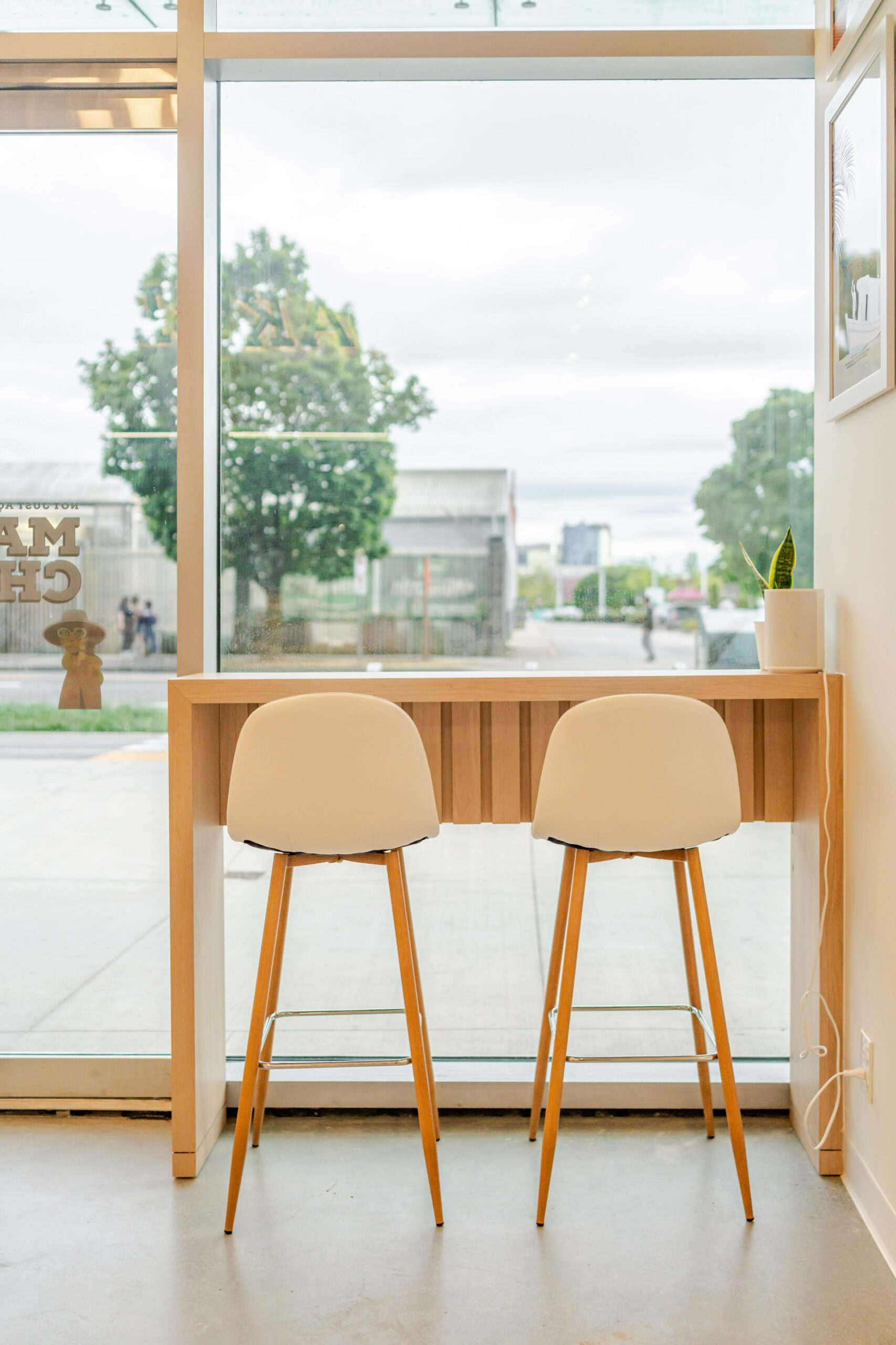
Will the person sit at this desk all day? If so, look hard at an adjustable or standing desk. The Canadian Centre for Occupational Health and Safety notes that “working in a standing position on a regular basis can cause sore feet, swelling of the legs, varicose veins, general muscular fatigue, low back pain, stiffness in the neck and shoulders, and other health problems.” The fix is letting people move. CCOHS recommends that “a seat should be provided so that the worker can do the job either sitting or standing.” A height-adjustable desk does exactly that, supporting sitting and standing throughout the workday.
One thing buyers forget? Storage. Do you need a spot for binders right at the desk, or can the team share a bookcase? Sort that out early and you won’t overbuy desks with drawers nobody ends up using.
Why does the office chair matter most?
The office chair matters most because it carries your team for the bulk of the workday, and a bad one costs you in comfort, focus, and health. If you’re going to skimp somewhere, don’t skimp here. A good ergonomic chair adjusts to the body, not the other way around. According to CCOHS, “a well-designed chair allows the user to sit in a balanced position.” So look for adjustable seat height, a real backrest, and armrests.
Here’s the part most buyers miss. There is no universal chair. As CCOHS puts it, “one chair does not fit everyone.” Before you order 40 of one model, let a few people sit in it for a full workday first.
What are the common types of office furniture and layouts?
The common types of office furniture are desks, task chairs, storage and filing cabinets, modular workstations, and lounge pieces. Most offices need a mix of all of them:
- Desks, from private office desks to shared workstations and adjustable standing desks
- Chairs, mainly ergonomic task chairs, plus meeting and lounge seating
- Storage, like filing cabinets, shared bookcases, and built-in cabinetry
- Modular furniture, systems furniture and modular desks that reconfigure as the team changes
- Lounge furniture, for the casual corners where the good ideas tend to happen
Layout matters as much as the pieces themselves. An open-plan floor encourages collaboration, but it can get loud. Private offices protect focus, but they eat square footage. So does your team need collaborative areas, individual workstations, or some of both? This is where modular furniture earns its keep, because it lets you reconfigure the office layout as you grow.
What is the biggest mistake when placing office furniture?
The biggest mistake is placing furniture without planning the workflow first, so people end up squeezing past each other or hauling files across the room. Think of furniture placement as traffic control, not decoration. Be sure to measure doorways, walkways, and clearances before delivery, because a desk that fits the room can still block the path to the printer. The other classic error? Forgetting tomorrow. If your layout can’t flex as the team grows, you’ll be redoing it within the year.
How do you set a realistic office furniture budget?
Set a realistic office furniture budget by listing what you actually need first, then pricing it as one whole project rather than a pile of separate purchases. Make the list: how many desks, how many chairs, what storage, which collaborative spaces. Are you furnishing a brand-new conference room, or adding pieces across every workspace? The list is what keeps the spend honest.
From there, spend where it counts. Chairs and desks earn the investment because people use them all day, so the decorative extras can wait. Buying through one coordinated FF&E package usually beats chasing deals across a dozen suppliers, since the pieces are specified to work together.
Frequently asked questions
How do you choose the right office furniture on a tight budget?
Spend on the pieces people use most, which are chairs and desks, and save on the rest. Ergonomic seating and a solid work surface protect comfort and productivity every day, so they are worth the investment. Decorative extras come later.
Which type of furniture is most desirable for an office?
Adjustable, ergonomic furniture is the most desirable because it suits the widest range of people and tasks. Height-adjustable desks and well-built ergonomic chairs let staff move between sitting and standing and adapt the setup to their own body. Modular pieces come a close second.
What should you look for when buying office furniture?
Look for ergonomics, adjustability, durability, and a style that reflects your brand. Check that desks fit the space and that chairs adjust to the user rather than forcing a fixed posture. Favour high-quality, built-to-last materials, and confirm the warranties first.
Sources
- Canadian Centre for Occupational Health and Safety, Working in a Standing Position – Basic Information.
- Canadian Centre for Occupational Health and Safety, Office Ergonomics – Ergonomic Chair.