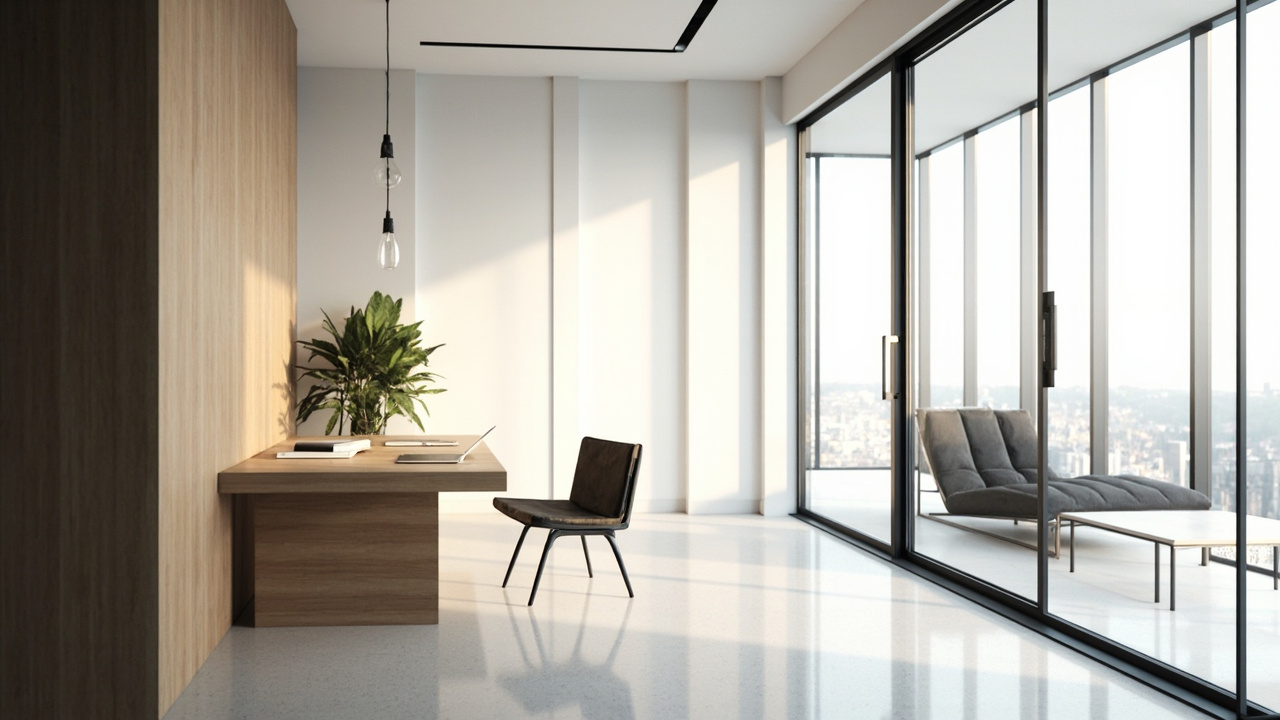
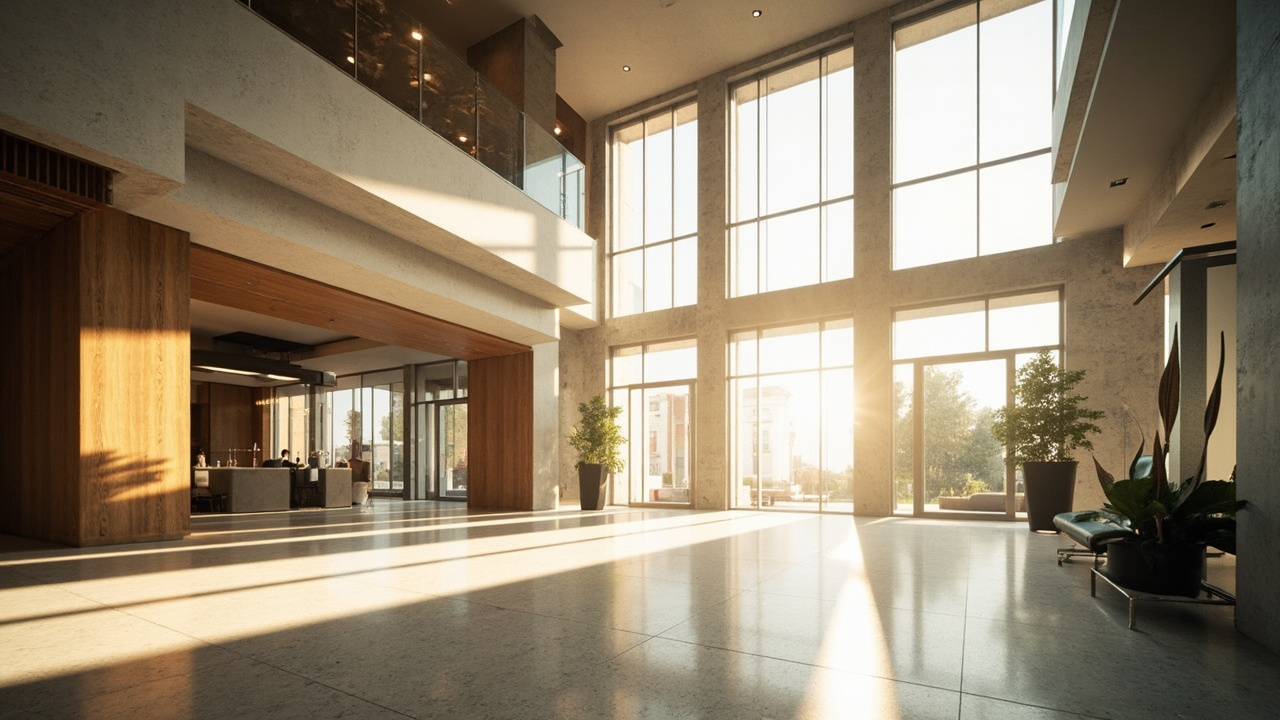
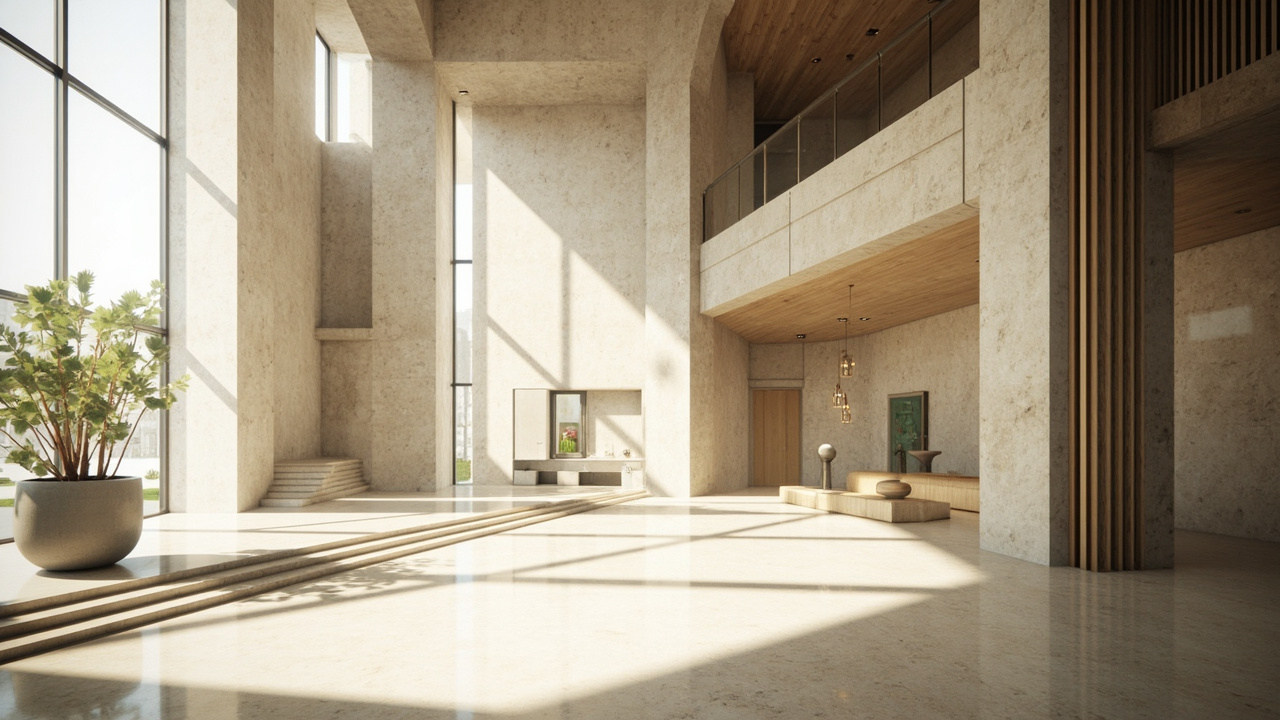
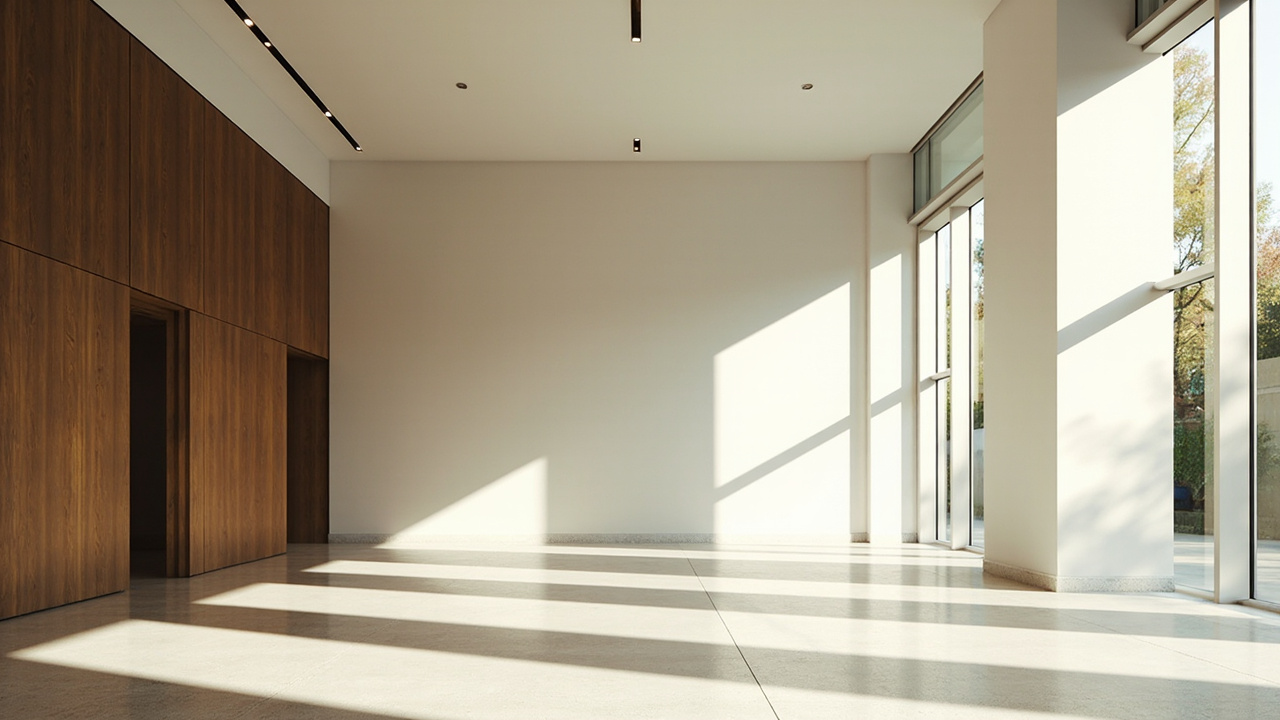
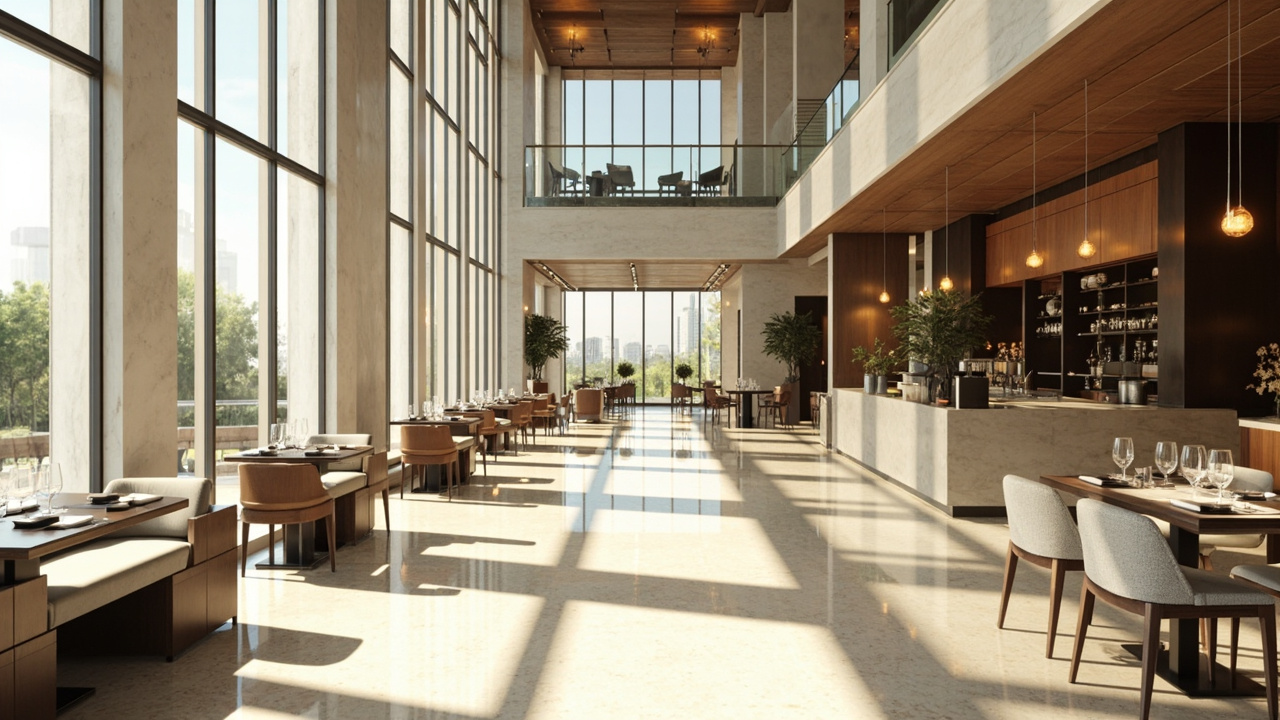
The short version? Commercial interior design shapes the spaces where businesses operate. Offices, retail stores, restaurants, clinics. Residential interior design shapes the private homes people actually live in. Both plan layout, light, materials, and flow. But they answer to different masters. Commercial design serves a brand and a crowd of strangers; residential design serves one household. And that single difference, who the space is for, ripples through almost every decision a designer makes.
We do both at Ark & Mason, so people ask us to compare them constantly. Here’s the honest breakdown. What each one is, where they split, and how to figure out which designer you need.
What is the difference between residential and commercial interior design?
It comes down to purpose and audience. Residential interior design focuses on creating spaces that fit one client’s personal style and daily life, the living spaces of a private home. Commercial design is different. It focuses on spaces that have to work hard for a business and the public, where functionality and brand image matter as much as how a room looks. Interior design itself, though, is a single discipline. Wikipedia calls it “the art and science of enhancing the interior of a building to achieve a healthier and more aesthetically pleasing environment for the people using the space.” Notice that last bit. The people using the space. Change who those people are, and you change the whole brief.
What does a commercial interior designer do?
A commercial interior designer plans interior spaces for business use, balancing functionality, brand identity, durability, and code. Office spaces, retail, hospitality venues, healthcare. Commercial design encompasses a lot. The work usually means heavier traffic, tighter regulations, and a client who is really a whole organization rather than one person. So these designers have to think about how hundreds of people move through a building every day. And then there’s the unglamorous stuff. Building codes and permits. Accessibility. Fire ratings. As Wikipedia notes, interior designers “must be highly skilled in order to create interior environments that are functional, safe, and adhere to building codes, regulations and ADA requirements.” On a commercial project, that bar sits even higher, because more people and more rules are in play.
What does a residential interior designer do?
A residential interior designer creates comfortable, functional, and visually appealing spaces inside private homes, built around how one household actually lives. The client is usually one or two people. Sometimes a family. The goal is a home that fits their personal style. Residential interior designers focus on mood, comfort, and the small details that make a place feel like yours, mood boards, fabric swatches, the way morning light lands on a kitchen counter. Are there still rules? Of course. Permits, structural limits, safety. But the emotional brief carries more weight here. How do you want to feel when you walk in the door at the end of a long day? That question drives a lot of residential design.
How does space planning differ between commercial projects and private homes?
In commercial projects, spatial planning is built around throughput, safety, and brand experience for customers. In private homes, it’s built around comfort and the daily rhythms of the people who live there. A retail store wants to guide shoppers past the right displays. A restaurant has to seat a full rush without choking the kitchen. An office has to balance focus and collaboration. Commercial spaces must also meet codes and regulations that govern exits, washroom counts, and accessibility. A residential setting is gentler. You’re zoning a home around sleep, cooking, gathering, and rest, and the layout can bend to one family’s quirks in a way a public building never could.
How do paint colour choices differ between commercial and residential design?
Colour in commercial spaces usually serves the brand and the customer experience, while in homes it serves personal taste and mood. A boutique hotel might pick a palette that photographs well and reinforces its identity. A clinic leans on calm, clean tones that put patients at ease. Commercial designers also have to think about wear. High-traffic walls take a beating, so they need finishes that hide scuffs. At home? You’ve got far more freedom. Love a deep, moody green in the bedroom? Go for it. The only person you have to please is you, which is exactly why residential colour work feels so personal.
What about biophilic design in both?
Biophilic design, bringing nature into interior spaces, shows up in both worlds. Just for slightly different reasons. According to Wikipedia, “Biophilic design seeks to increase people’s connectivity to nature and nature-like design to improve their health and wellbeing.” In commercial work, that often means designing spaces that promote staff focus and reduce stress, the sort of thing that keeps a work environment humming. Will plants and daylight make employees happier? The research leans yes. In a home, biophilic touches are more about everyday calm. Either way, the principle holds. People feel better around natural light, greenery, and materials that suit a living thing, not a spreadsheet.
How do I choose between commercial and residential interior designers?
Match the designer to the project. Pick a commercial interior designer for a business space, a residential designer for a home, or a firm that genuinely does both. Many commercial interior designers specialize, in healthcare, hospitality, retail, or office spaces, because each has its own rules and rhythms. Residential designers tend to be generalists across the home. So ask to see relevant work. A polished cafe build tells you little about whether someone can warm up your living room. In our experience, the real edge comes from a team that has lived in both worlds. Because the discipline of commercial work and the warmth of residential work sharpen each other.
Frequently asked questions
What’s the difference between commercial and residential interior design?
Commercial interior design is for business and public spaces like offices, retail stores, and restaurants, where brand and durability lead. Residential interior design is for private homes, where personal style and comfort lead. Both plan layout and materials, but they serve very different end users.
Is there more money in commercial or residential interior design?
It varies by project and market. Commercial projects are often larger in scope and budget, which can mean bigger fees, but they also carry more risk, longer timelines, and stricter codes. Residential work tends to be smaller per project but can be steady and high-margin with the right clients. Neither is automatically more profitable.
How long do commercial vs residential interior design projects typically take?
Commercial projects usually run longer because of permits, building codes, and more stakeholders, often several months from concept to opening. A residential room or home can move faster, though full renovations still take time. The honest answer is that scope, approvals, and construction drive the schedule far more than the label does.
Do commercial interior designers specialize in specific types of spaces?
Often, yes. Many focus on areas like healthcare, hospitality, retail, or office spaces because each carries its own codes, traffic patterns, and brand expectations. That focused experience usually shows up in a smoother project and a space that actually works for its customers and staff.